

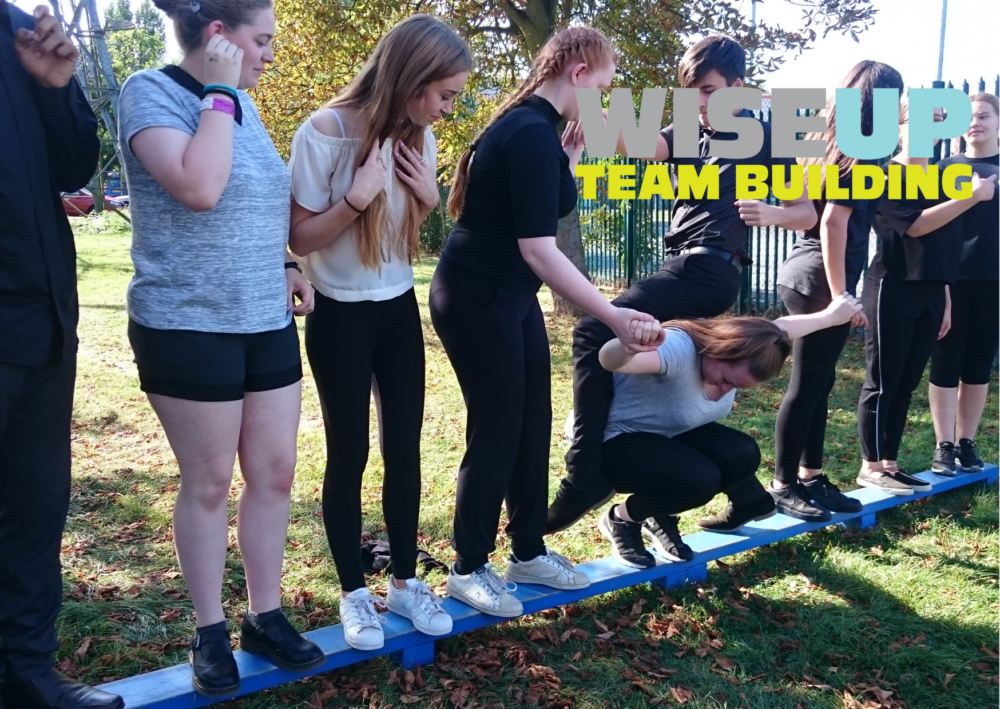
Stop me if this sounds familiar. Your child comes home from school full of facts, but when it comes to practical skills like problem solving, teamwork, and confidence, they struggle. Maybe your primary schooler is full of curiosity but does not know how to apply their knowledge outside the classroom. Or your teenager is approaching adulthood, and you worry they are not gaining the real world experience they will need to thrive.
Many parents and teachers recognise that traditional education, while valuable, does not always prepare young people for life beyond school. That is where learning by doing comes in. For primary schoolers, hands-on activities like group challenges and outdoor exploration help build curiosity and teamwork. For teenagers, leadership tasks, project based learning, and work experience develop confidence and independence.
Let’s explore why hands-on learning is so powerful and how you can encourage it in everyday life.
Why Learning by Doing Works
Research shows that we retain ninety percent of what we do, compared to just ten percent of what we read. Experiential learning helps students:
✅ Understand deeply – Applying knowledge makes it stick
✅ Gain confidence – Solving problems builds independence
✅ Develop key skills – Critical thinking, teamwork, and adaptability
✅ Stay engaged – Hands on activities make learning fun and meaningful
So how does this work for different age groups?
Hands On Learning for Primary Schoolers
For younger children, experiential learning should be about exploration and play. Simple activities can boost problem solving, teamwork, and curiosity.
Outdoor learning – Nature walks, scavenger hunts, and gardening
Creative problem solving – Simple STEM challenges, like building a tower from marshmallows
Group activities – Role playing, storytelling, and teamwork games
Everyday tasks – Cooking, measuring ingredients, or budgeting pocket money
By making learning interactive, children develop curiosity, confidence, and life skills that set them up for success.
Hands On Learning for Teenagers
As students grow, they need real world experiences that prepare them for adulthood and careers.
Leadership and teamwork challenges – Sports, group projects, and problem solving tasks
Work experience and volunteering – Gaining first hand experience in different roles
Project based learning – Encouraging teens to research, plan, and execute their own ideas
Life skills – Managing money, cooking, and time management
These experiences develop independence, resilience, and career ready skills that no textbook can teach.
Hands on learning builds confidence, independence, and essential life skills that prepare young people for success.
At WiseUp, we specialise in team building and experiential learning for primary and secondary students. Through interactive challenges and real world problem solving, we help young people develop the skills they need for the future.
Return to Blog