

Many students today experience a deep fear of failure, which can negatively affect their confidence, communication, teamwork, and overall wellbeing. This fear doesn’t just make them anxious about grades; it limits their willingness to take risks, share ideas, or collaborate with others. When students are afraid to fail, they often avoid challenges altogether, missing valuable opportunities to learn resilience and problem solving skills.
This growing issue is fuelled by social pressures, constant comparison on social media, and the instant gratification provided by technology. The modern school environment often reinforces these patterns by rewarding results over effort and personal growth. Students are under increasing pressure to perform perfectly rather than to learn through trial and error, which undermines creativity, confidence, and emotional intelligence.
Did you know that students spend less time outdoors than prison inmates, averaging under an hour outside each day? Limited physical activity and social interaction, combined with heavy screen use, can reduce resilience, patience, and self-awareness. Without opportunities to connect face-to-face or experience real-world problem solving, students may struggle to build essential soft skills such as communication, teamwork, and leadership.
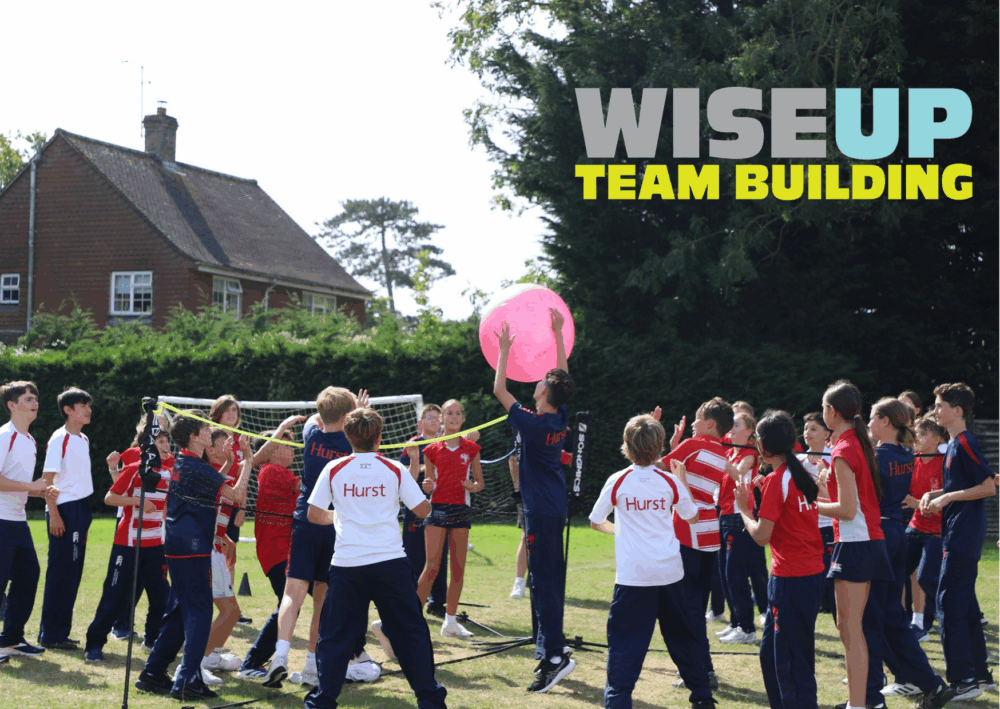
WiseUp Team Building recognises these challenges and provides practical ways for schools to help students manage failure, develop resilience, and build confidence through interactive activities that strengthen soft skills and promote self awareness.
Understanding the Fear of Failing
The fear of failure is common among students. Instant gratification from social media, gaming, and AI tools can make effort seem less rewarding. Students who rely heavily on screens may avoid challenges that require time, persistence, and teamwork. This fear of failure reduces problem-solving skills, limits communication, and decreases resilience.
WiseUp encourages students to step away from screens and participate in real world challenges that build confidence through measurable achievement.
Personality and Resilience: Introverts, Extroverts, and Ambiverts
Understanding personality helps schools address the fear of failing effectively. Students respond differently to challenges depending on whether they are introverts, extroverts, or ambiverts.
Introverts make up 30–50% of students. These students:
– Recharge through time alone
– Prefer deep one-on-one conversations over large group activities
– Enjoy quiet activities like reading, drawing, or nature walks
– Think carefully before speaking or making decisions
Introverted students may feel drained by constant group work or social pressure. For them, resilience develops through opportunities for independent problem-solving and reflection alongside occasional collaboration.
Extroverts make up 50–70% of students. These students:
– Recharge through social interaction
– Thrive in group settings, team activities, and collaborative projects
– Think better when talking through ideas with others
– Enjoy taking the lead in conversations or activities
Extroverted students are motivated by Team challenges and dynamic group activities. Resilience for them grows when they experience successes and learn to manage setbacks in social or competitive situations.
Ambiverts do not fit perfectly into either category. These students:
– Can enjoy social time and alone time depending on mood or situation
– Sometimes lead in group activities and sometimes prefer solo work
– Adjust their energy to match the environment
– Thrive in flexible settings where they can switch between collaboration and independent work
Ambiverted students benefit from a balance of solo and group challenges, which develops adaptability and confidence in handling failure in different contexts.
Building Resilience Through Practical Activities
WiseUp Team Building focuses on hands-on, soft skill based activities that develop resilience across all personality types. Key activities include:
– Problem solving challenges: Students face unexpected scenarios that require effort and adaptation
– Team missions: Group tasks encourage collaboration while highlighting different strengths and working styles
– Reflection sessions: Students review outcomes, link lessons to schoolwork, and learn that mistakes are part of growth
By using activities tailored to different energy types, schools can create environments where every student can practice resilience safely and effectively.
Digital Support for Confidence and Focus
In addition to in school activities, WiseUp offers digital resources to help students manage anxiety and fear of failure:
– The Anxiety Journal: Provides structured exercises for parents and schools to guide students through reflection and coping strategies
– Digital Detox Program: Encourages students to reduce screen time and experience real world achievement
These products allow students to practice self confidence, reflection, and resilience outside the classroom while supporting mental wellbeing.
Why Schools Should Focus on Resilience
Resilience is directly linked to better performance, communication, and teamwork. Students who build resilience are more likely to:
– Participate actively in lessons and group projects
– Approach exams with realistic expectations and reduced anxiety
– Communicate effectively with peers and teachers
– Adapt to challenges without fear of failure
Structured, hands on activities combined with reflection and understanding of personality differences give schools a practical way to support resilience and confidence in all students.
Empowering Students to Thrive Beyond the Classroom
Fear of failure affects many students due to technology, social pressures, and academic demands. WiseUp provides evidence based approaches to build resilience through hands-on activities, reflection, and understanding personality differences: introverts, extroverts, and ambiverts.
Practical exercises and digital resources such as The Anxiety Journal and Digital Detox Program give students tools to manage stress, build self confidence, and face challenges with a growth mindset.
Schools that integrate these strategies help students understand that mistakes are learning opportunities. They create environments where students can develop resilience, communicate effectively, and thrive academically and personally.
Return to Blog