

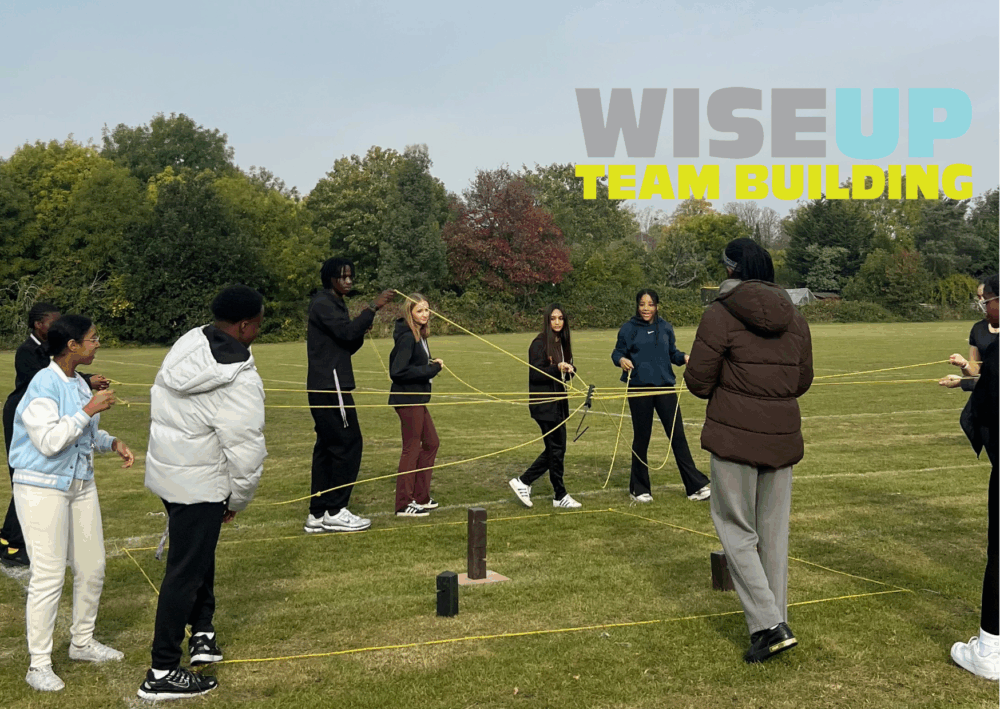
By November, fatigue starts to show. The excitement of a new school year has faded, days are shorter and pressure quietly builds. For many young people, motivation dips – and screens become an easy escape.
At WiseUp Team Building, November is a critical point in the year. It’s when we see most clearly the impact of instant gratification, reduced resilience and a growing fear of getting things wrong. It’s also when effort-based achievement matters more than ever.
The Rise of Instant Dopamine
Today’s young people live in a world of immediate rewards:
* Social media likes and notifications
* Gaming wins and levels
* Endless scrolling and short-form content
* AI-generated answers on demand
These experiences trigger fast dopamine hits, quick feelings of reward with little effort required. Over time, this can make real-world challenges feel overwhelming, boring or risky by comparison.
When effort doesn’t feel rewarding, resilience suffers.
What We’re Seeing in Schools
Across the schools we work with, common patterns are emerging:
* Increased fear of failure
* Avoidance of challenge
* Reduced perseverance
* Lower confidence when tasks feel difficult
Many students are capable, but they’ve become uncomfortable with struggle. When results aren’t instant, motivation drops.
This isn’t about lack of ability, it’s about lack of opportunities to practise effort.
Why Effort-Based Achievement Matters
Resilience is built through experience, not explanation.
Effort-based achievement teaches young people that:
* Progress takes time
* Mistakes are part of learning
* Discomfort doesn’t mean failure
* Achievement feels better when it’s earned
These lessons don’t come from screens. They come from doing something challenging, sticking with it, and seeing it through.
Healthier Dopamine Hits
At WiseUp, we talk a lot about healthy dopamine.
Rather than instant rewards, our activities are designed to help young people experience dopamine through:
* Working towards a shared goal
* Solving problems as a team
* Overcoming setbacks
* Achieving something together
This creates a deeper sense of satisfaction, one that strengthens confidence rather than undermines it.
Resilience Grows Offline
Hands on, team based challenges give young people space to:
* Take risks without fear of judgement
* Learn from mistakes safely
* Support and be supported by peers
* Develop perseverance
When screens are removed, students reconnect with themselves and others. They rediscover what they’re capable of.
Supporting Resilience at Home and School
Resilience doesn’t require extreme change. Small, consistent shifts can make a big difference:
* Encouraging effort over outcomes
* Praising persistence, not perfection
* Reducing reliance on instant digital rewards
* Creating space for challenge and reflection
WiseUp supports this both through team building experiences and digital tools that help families and schools open up conversations around effort, confidence and wellbeing.
November Is a Reset Point
November offers a chance to pause before the end-of-year rush. It’s an opportunity to rebuild habits that support long-term confidence rather than short-term relief.
By focusing on effort-based achievement, we help young people head into winter feeling more resilient, capable and grounded.
Building Resilience That Lasts
Resilience isn’t about pushing harder, it’s about learning how to keep going.
WiseUp Team Building creates experiences that remind young people that effort matters, challenge is healthy, and achievement feels better when it’s earned.
Get in touch with WiseUp Team Building to support resilience and confidence this November.
Return to Blog